Posts

The Revolving Door Phenomenon in Africa

The revolving door phenomenon in Africa, exemplified by Kenya, is a complex and deeply rooted issue that has significant implications for governance, democracy, and economic development in the region. This phenomenon refers to the recurring pattern of individuals moving seamlessly between public office and lucrative private sector positions. While this practice is not exclusive to Africa, it is particularly pervasive and problematic in many African countries, including Kenya. One of the key manifestations of the revolving door phenomenon in Kenya is the ease with which high-ranking government officials transition into private sector roles, often within industries they previously regulated or oversaw. This practice is fueled by the allure of substantial financial gain and the lack of strict regulations governing such transitions. For example, politicians who have served as ministers or lawmakers have frequently taken on leadership positions in companies that benefit from government cont...

To Love and To Obey: Retain this Vow

Removing the phrase "to obey" from marriage vows has become a common practice in modern wedding ceremonies, and its frankly a terrible choice. I argue that there are valid reasons why retaining this phrase can be meaningful and beneficial in certain contexts. Respect for Tradition : Marriage is a tradition-rich institution that has existed for centuries. The phrase "to obey" has been a part of traditional wedding vows for generations. Retaining it can be a way of honoring and respecting the historical significance of marriage. Symbolic Representation : For some, the phrase "to obey" is not about subservience but rather a symbolic representation of trust, cooperation, and a willingness to work together within the marriage. It can signify the idea that both partners will listen to each other, consider each other's opinions, and make decisions together. Mutual Submission : In a healthy marriage, both partners should be willing to submit to each other'...

The Unique Concept of 'Danger of a Single Story'

Image
In a world filled with diverse cultures, histories, and perspectives, the danger of a single story looms ominously. The concept, popularized by Nigerian author Chimamanda Ngozi Adichie in her TED Talk, highlights the perils of reducing complex groups of people to a single narrative. When we oversimplify, stereotype, or generalize about a particular ethnicity, community, or nation, we risk perpetuating ignorance, bias, and prejudice. The social impact of such simplification can be profound, affecting individuals, societies, and even international relations. A single story about a people is a narrative that limits our understanding, devalues individual experiences, and fosters prejudice. When we rely on a single narrative to define an entire group, we homogenize a diverse population and fail to recognize the richness and complexity of their experiences. For example, portraying all Muslims as terrorists based on the actions of a few extremists neglects the vast majority who lead peaceful ...

Let the Hard Times Chose your Compadre

Allowing hard times to choose our close friends can be a valuable and meaningful approach to building deep and lasting relationships. While it might seem counterintuitive, adversity has a unique way of revealing the true character of individuals and fostering connections that are built on trust, resilience, and mutual support. Here are some compelling reasons why we should consider letting challenging moments guide us in selecting our closest friends. Shared Empathy and Understanding: Going through difficult times together creates a shared experience that fosters empathy and understanding between individuals. When friends have faced adversity together, they can better relate to each other's struggles and offer genuine support and compassion. This shared empathy can strengthen the bonds of friendship and make them more meaningful. Authenticity: Hard times often strip away pretense and surface-level interactions, revealing our true selves and the true nature of those around us. Whe...

Politics! A war with no winners

Politics is often described as a war that has no winners, and this sentiment is not without merit. The metaphorical battlefield of politics is characterized by its divisive nature, cutthroat tactics, and the often elusive pursuit of victory. While political battles may produce temporary victors, the long-term consequences reveal that in the grand scheme of things, there are rarely true winners. One of the primary reasons why politics can be seen as a war without winners is the inherent polarization it fosters. In many political systems, the adversarial nature of politics encourages politicians and their supporters to view the opposition as enemies rather than as fellow citizens with differing perspectives. This polarization creates a toxic atmosphere where cooperation and compromise are often sacrificed in the name of ideological purity or party loyalty. As a result, the very foundations of a healthy democracy are eroded, making it difficult for any meaningful progress to occur. Furthe...

Navigating the Timing of Marriage: Early or Late Unions?

Image
  In the modern landscape of relationships, the timing of marriage has become a subject of considerable debate. While conventional wisdom often leans towards caution regarding early marriage, there's an emerging recognition that late marriages also hold their own advantages. However, amidst these discussions, it's essential to remember that there's no one-size-fits-all formula for marriage. Ultimately, what matters most is finding a compatible partner with whom you can envision building a fulfilling life together. Early Marriage: Building a Foundation Together Marriage in one's twenties has traditionally been viewed as premature, yet it presents unique opportunities for growth and development as a couple. Embarking on the journey of marriage during this formative period allows partners to navigate life's challenges hand in hand, laying the groundwork for a resilient and enduring relationship. Biologically, early marriage can offer advantages in terms of fertility an...

Africa's Brain Drain

Image
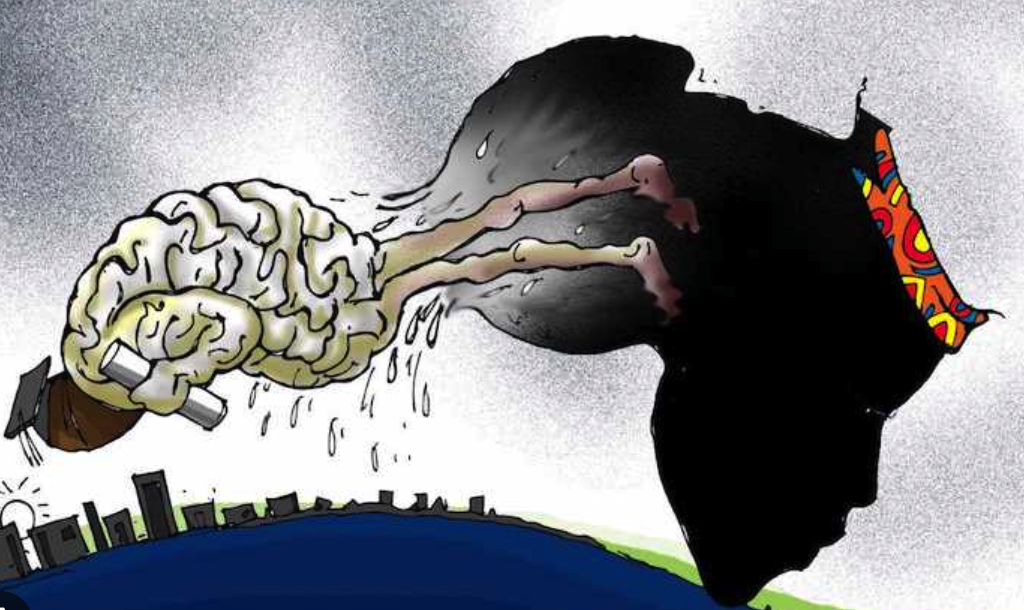
  Africa's brain drain, the displacement of skilled workers from the continent, has a major impact on the development of the region. Although brain drain has many effects on African countries, the focus of this article is to identify the countries that benefit most from this phenomenon. By analyzing various factors and potential contributors, this analysis aims to uncover the countries that have benefited most from the African brain drain and show why, as a first of its kind. Brain Drain Description Brain Drain is the migration of professionals, including doctors, engineers, scientists, and academics, from one country to another. Many of these people are looking for better ways to contribute to the growth and development of the host country through their skills and knowledge. The departure of these talented people can negatively affect the countries they come from, disrupting their economies and businesses. Beneficiaries: Developing countries  In the African brain drain contex...